Feminist talk
A painting of an African feminist internet
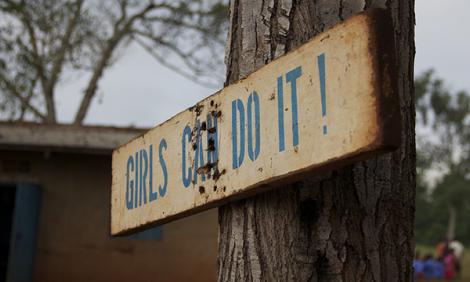
Addressing the internet gender divide in Africa can only be achieved through the deliberate creation of a feminist internet, and this was affirmed by the Gender and Internet Governance eXchange (gigX) workshop that was held on 10 October 2016 in Durban. We need a feminist internet that works to empower all of us in our diversities, creates equal power relations, and dismantles patriarchy in all…
Feminist talk
Defining their place: Gender at the Internet Governance Forum 2016
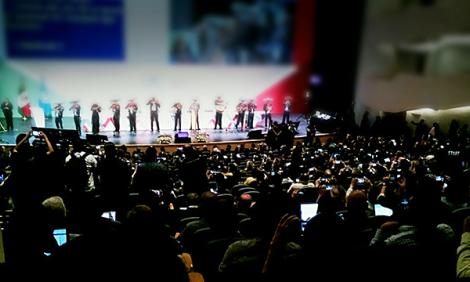
The Internet Governance Forum has been valuable as a multistakeholder space that facilitates the discussion and dialogue of public policy issues pertaining to the Internet. Over the years several feminists, activists and others interested in diverse representation have been participating in IGF and observing how concerns related to gender, sexuality, and the internet are raised and addressed.…
Feminist talk
[COLUMN] Taking action: Making climate justice and climate action a reality
In the final column on gender, ICTs and climate change, Sonia Randhawa explores what are the possible actions that individuals can take -- in the face of impending climate change and the devastating and inequitable effect it has on people. At an individual level, we can reduce our carbon footprint. We also need to get involved in the climate movement. The climate emergency is with us now, and we…
In depth
Reshaping the Internet for Women
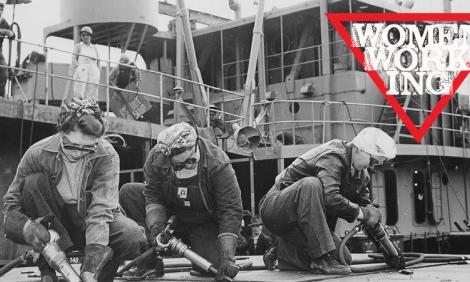
Even in 2015 the contribution by women to Wikipedia, one of the largest repositories online of organised knowledge about the world, had not reached 25% of the total. Most of the content online comes from the global North, specifically from white male contributors in North America. What needs to be done to ensure diversity, localisation and gender parity in content online? APCNews speaks to…

Feminist talk
ESC rights, gender and internet: Learnings from the GISWatch report
The GISWatch report 2016 looks at the link between economic, social, cultural (ESC) rights and the internet in several countries, and from a multitude of systems of governance, whether that of socialism and the welfare state, or the semi-functional welfare schemes in parts of Asia and Africa (Uganda, Cambodia), and even the relatively privileged parts of the world, like Spain. Here is a synthesis…
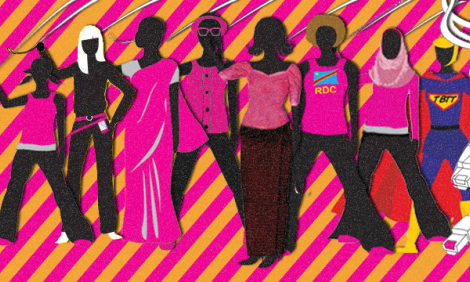
10 years of Take Back the Tech!
Technology facilitates violence against women, but it also facilitates information sharing, capacity building, networking and alternative media - Take back the tech! is the realisation of the idea that the internet can be used to expand the movement against all forms of gender-based violence. This edition brings to us the voices from the campaigns from the Democratic Republic of Congo to Canada,…

Feminist talk
[READING LIST] Gender, Race, Sexuality and Surveillance
This reading list provides an overview of recent books, articles and sources across the internet for those interested in learning more about how race, gender, and sexuality relate to surveillance. Far from comprehensive, it offers a starting point to explore how an intersectional lens and feminist attention to state, corporate, and peer surveillance practices and their differential effects on…
Feminist talk
[COLUMN] Joining the dots: Labour, sustainability, resilience in gender and climate change
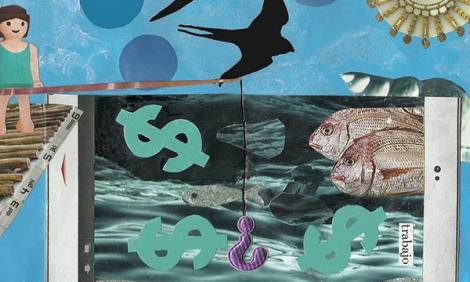
What is the connection between labour unions, women workers and climate change? This monthly column on connecting the dots between climate change and gender, explores the exploitative conditions that are still prevalent in the electronics industry. While workers in Pearl River delta in China may no longer face sweatshop conditions, the production has shifted to other poorer parts and most often…
Feminist talk
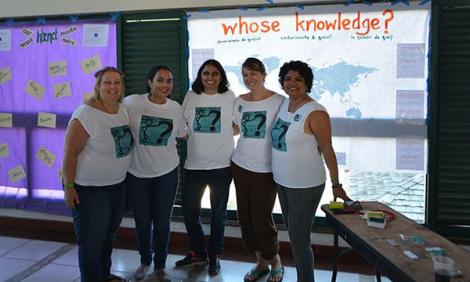
Mapping the feminist internet: the Whose Knowledge? campaign at the AWID Forum
Whose Knowledge? works with individuals, communities, organisations and movements worldwide to create, collect and curate knowledge from and with marginalised communities, particularly women, people of colour, LGBTQI communities, indigenous peoples and others from the global South. Essentially, Whose Knowledge? is a radical re-imagining and reconstruction of the internet, so that the internet…
In depth
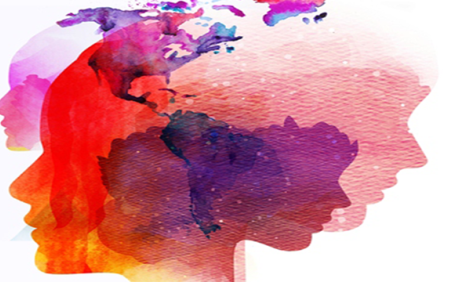
Trafficking in Women: female objectification
A conservative estimate is that 42 million people are prostituted worldwide, of which 90% are exploited by pimps, and every year 2 million people are added to this number. Latin America has 10% of trafficking in persons for sexual activities - nearly half of the victims are children and youth under 18 years. Human trafficking is considered the third most profitable form of crime in the world,…