

In depth
EROTICS in Brazil: The complex universe of sexuality on the internet
By Flavia Fascendini
Sexuality Policy Watch and the Latin American Centre on Sexuality and Human Rights teamed up together to conduct the EroTICs research in Brazil. In an interview with Flavia Fascendini, they talked about their participation in the project as an opportunity to address the nuanced impact of new Internet legislation on sexuality. They approached this complex issue from two sides: looking at…


In depth
India and South Africa: The hidden story of sex on the internet
By Esther Nasikye
After two years the EROTICS research has revealed that sex on the internet is much more than just pornography, but instead it includes a vibrant ecosystem of individuals sharing and discovering their sexuality online. Not only that, the internet provides a space for sexual and identity rights activists to organize and advocate for change.
In depth
EROTICS raises fascinating new questions
By Grady Johnson
The EroTICs research of sexuality and the internet revealed that contrary to much public opinion, sexuality online is much more than just pornography. As the EroTICs project comes to a close, GenderIT.org's writer Grady Johnson asked some of the experts to share their thoughts about the research.


In depth
Lebanon and USA: Where is the line for sex on the internet?
By Mavic Cabrera-Balleza
GenderIT.org contributor Mavic Cabrera-Balleza speaks with EroTICS researchers Melissa Hope Ditmore and Kevicha Echols as well as LGBT activist Nadine Moawad about the role of the internet in our sexual lives. They talk about the effect that filtering and censorship have on sexual expression and access to information, particularly for youth and LGBT persons.

In depth
Women's rights and the internet at the Human Rights Council
By Jac sm Kee
The increasing prevalence of the internet in all aspect of our lives is becoming impossible to ignore, and that it is becoming pivotal in the realisation of our fundamental rights and freedoms. At the same session of the UN Human Rights Council, where the role of the internet on the right to freedom of opinion and expression is being reported by the UN Special Rapporteur on Freedom of Expression…
In depth
EroTICs: Sexuality and technology
By Jac sm Kee
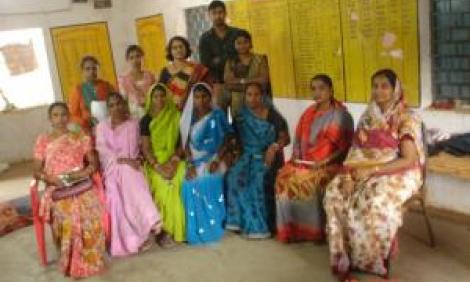
Sonia Randhawa and Jac sm Kee explore the links between sexuality and the theme of this year’s Commission on the Status of Women meeting, “Access and participation of women and girls in education, training, science and technology, including for the promotion of women’s equal access to full employment and decent work”.
In depth
Gender Evaluation Methodology: Helping assess the gender impact of development work
By Sonia Randhawa
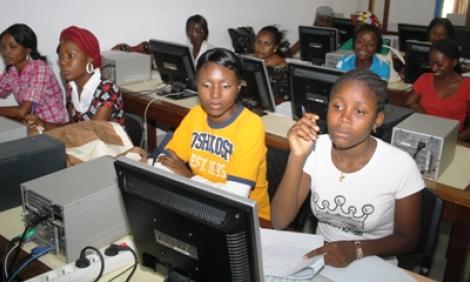
“How exactly GEM can influence the discourse at the CSW, I think it is really to challenge the notion of development, or at least how governments understand it. “ The APC’s Angela Kuga Thas speaks with GenderIT.org editor about the Gender Evaluation Methodology, what it is and the value it adds to grassroots work on gender and ICTs.

In depth
Technologies for transformation : combating violence against women in the Congo
By Selina L. Mudavanhu
The work of the APC WNSP with organisations in Congo provides invaluable real life experiences that can be useful in discussions at international forums like the upcoming fifty-fifth session of the Commission on the Status of Women (CSW) whose theme this year is women, technology and education, according to Selina L Mudavanhu. She examines projects under the MDG3 Take Back the Tech! small grants…
In depth
Poverty and culture: Key barriers to education and training of women and girls in Cambodia
By Sonia Randhawa
In this article, the director of End Child Prostitution, Abuse and Trafficking (ECPAT) Cambodia, Chanveasna Chin, speaks with GenderIT.org English editor Sonia Randhawa about the challenges facing women and girls in accessing education and training, particularly in technology.
In depth
Science and technology in Latin America: women breaking the glass ceiling
By Flavia Fascendini
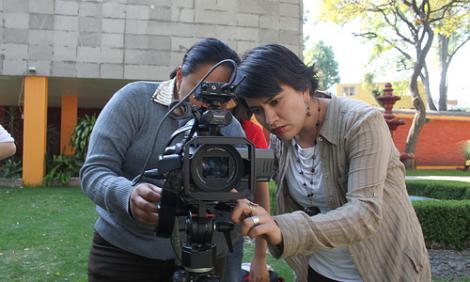
Latin American women are attaining good levels of education and training for the labour market, including knowledge of ICTs, but APC WNSP regional coordinator, Dafne Sabanes Plou acknowledges that digital inclusion as a factor in economic progress is just beginning to appear on the regional horizon and that gender equity is still sidelined from ICT policy discussions. She speaks to GenderIT.org…