
Feminist talk
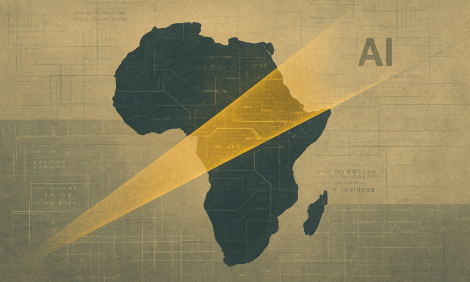
Another false dawn for Africa? Deconstructing the AI for Development Narrative
By Bobina Zulfa
This article critically examines the dominant “AI for Development” narrative in Africa, arguing that the continent’s engagement with global AI is shaped by unequal power relations that limit its transformative potential.

Feminist talk
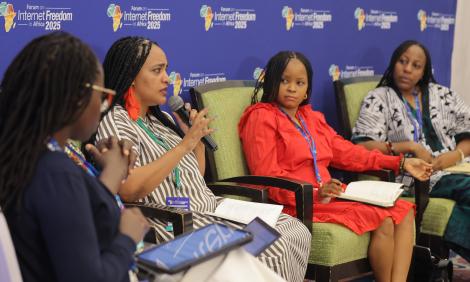
Defending Human Rights Amidst Increasing Gendered Disinformation Cases in Africa
By Sandra Aceng

Feminist talk
A Queer Woman, A Ghosting Man, and the ChatGPT Confessional
By
A queer woman turns to ChatGPT to process the heartbreak of being ghosted by a man. What began as an emotional coping mechanism turned into dependency, as she used the AI to analyse patterns, decode behaviour, and regain control. This confession highlights how technology can mirror human bias, shape emotional narratives, and offer both comfort and distortion in moments of vulnerability and longing.
Feminist talk
The Role of Multistakeholderism in Countering Gendered Disinformation in Africa
By Sandra Aceng
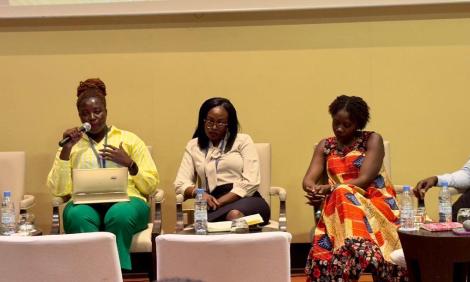
This article examines the role of multistakeholderism in countering gendered disinformation across Africa, highlighting experiences from Uganda and regional dialogues. Drawing on panel discussions at FIFAfrica 2024, it asks for effective responses required for collaboration between governments, civil society, academia, and tech companies, given the complexity of disinformation rooted in patriarchy, politics, and cultural narratives. Inclusive, context-driven approaches that move beyond dialogue toward collective, coordinated action are needed.

In depth
Updated Realities on Gender Justice and Digital Justice: Why International Multilateral Processes and Spaces Must Align
By Karla Velasco Ramos
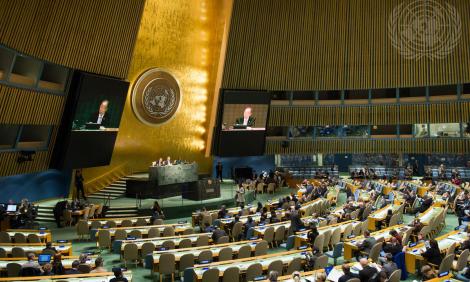
As Beijing+30, WSIS+20, and the Pact for the Future converge, this article reflects on three decades of feminist engagement at the intersection of gender and digital rights. While recognition of issues like technology-facilitated gender-based violence and AI harms marks progress, multilateral processes remain fragmented, Western-centric, and weak on accountability. This article argues for integrated frameworks that centre human rights, intersectionality, and Global South participation, urging active implementation over commitments to advance gender and digital justice together.


Feminist talk
Looking at Beijing+30: Adapting our approach to gender equality for today's technological landscape
By Francia K. Baltazar P.
This article reflects on how technological change has reshaped the landscape of gender equality. By referencing Hija Kamran's expert paper, it situates APC’s contributions, noting both the progress made and persistent gaps. The article outlines how issues such as digital gender divides, technology-facilitated violence, AI misuse, and surveillance now demand urgent attention. It stresses the need for feminist approaches, accountability, and inclusive digital policies to ensure gender justice in today’s interconnected online and offline worlds.

Feminist talk
TIMELINE: APC since Beijing 1995: Shaping a feminist internet
By APC
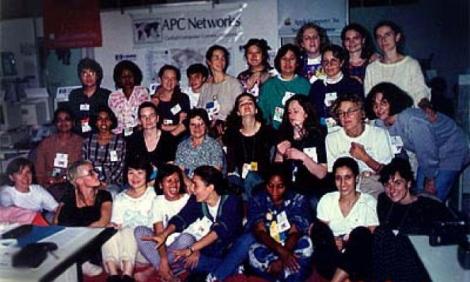
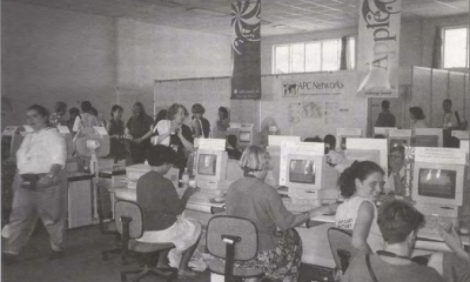
We are pleased to present our timeline, APC since Beijing 1995: Shaping a feminist internet, showcasing the APC community’s pioneering journey at the intersection of gender rights and digital rights. This timeline honours our shared legacy built by many hands to create resources, build capacity and share voices across the global South.

Feminist talk
APC since Beijing 1995: Shaping a feminist internet
By Maja Romano
As Beijing+30 prompts reflection on progress toward gender equality, APC marks 30 years of shaping a feminist internet. Since its founding in 1990 and pivotal role in drafting Section J of the Beijing Platform for Action, APC has worked to ensure women and gender-diverse people can co-create digital technologies that reflect their realities. Through advocacy, movement building, and inclusion of marginalised voices, APC highlights the role of sustained feminist engagement in digital policy as vital to advancing rights and dismantling patriarchy.


Feminist talk
30 YEARS AFTER THE BEIJING DECLARATION: DEFENDING THE ONLINE BODIES AND LANDS OF MESOAMERICAN WHRDs IS AN URGENT NEED
By IM-Defensoras
Thirty years after the Beijing Declaration, women human rights defenders in Mesoamerica face escalating digital violence that mirrors and amplifies offline repression. Research by IM-Defensoras reveals thousands of online attacks led by states, corporations, and fundamentalist groups. These digital assaults are not incidental but structural tools of silencing and control that highlight the need for urgent action to recognise and address digital violence as central to defending rights, bodies, and territories.

Feminist talk
REFLECTION ON BEIJING+30: ADDRESSING GAPS FOR LGBTQIA+ AND MARGINALISED COMMUNITIES IN EAST AFRICA
By Sophie Carol
As Beijing+30 approaches, LGBTQIA+ and marginalised women in East Africa remain excluded from the agenda’s promise of equality. Punitive laws, stigma, and violence deepen invisibility, while limited digital access compounds isolation. This article reflects on persistent gaps in the Beijing Platform for Action, exposing its cis-heteronormative blind spots and failure to address tech-facilitated violence. It highlights the need for genuine inclusion, funding, and intersectional strategies to advance gender justice.