

Feminist talk
AI is exacerbating image-based abuse
By Rohini Lakshané
With an increasing commercialisation of AI-based apps and tools, the existing inequalities and tech facilitated violence have found another avenue to perpetuate in the digital spaces. In this article, Rohini Lakshane argues the need for robust solutions focused on protection and guarantee of rights of those affected by this violence.


Feminist talk
The Binary Is Glitchy: Platform Accountability Through a Decolonial Queer Lens
By Debarati Das
As South Asian LGBTQIA+ folk navigate already unsafe and uncertain societies, digital spaces have increasingly become equally risky with the corporate greed that profits off their data at the expense of their already at-risk privacy. Debarati Das argues that this type of digital colonialism has far-reaching implications on the queer communities in the region.


Feminist talk
Platform Compliance, State Control: The Escalating War on Information in India and Pakistan
By Seerat Khan
Amidst India-Pakistan conflict in May 2025, governments on both sides of the tense border blocked online content to stop "misleading and provocative" information from spreading. Seerat Khan explores whether Big Tech's compliance with such directives are in the interest of social media users accessing platforms to access information in times of political instability.


Feminist talk
“It’s What We’ve Got”: Inside Telegram’s Desi Queer Underground
By Anuj Behal
Telegram is widely known for its lack of privacy-by-design and disregard for users' safety. Yet, in India, LGBTQIA+ communities are using it to seek connections when mainstream platforms and deeply violent society continue to fail them.

Feminist talk
Big Tech Profiteering of Political Misinformation Costs Human Rights in the Global South
By Seerat Khan
As technology evolves, its growing role in democratic processes has become increasingly visible, with election candidates around the world incorporating AI into their campaigns. Seerat Khan argues that in an industry lacking effective regulation, this integration fuels political disinformation, often amplified by tech companies seeking to profit from heightened engagement.

Feminist talk
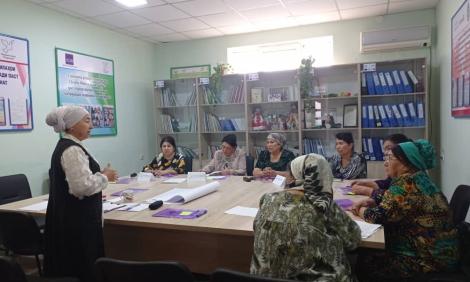
Technology-facilitated gender-based violence (TFGBV) in Tajikistan: Research challenges and the feminist research approach
By Gulbakhor Makhkamova
Gulbakhor reflected on the challenges in navigating a research on TFGBV in Tajikistan, where domestic violence and marital rape are not criminalised, reinforced by a culture of silence and spaces for women to be heard is almost non-existence.

Feminist talk
Bringing the energy home
By Carl
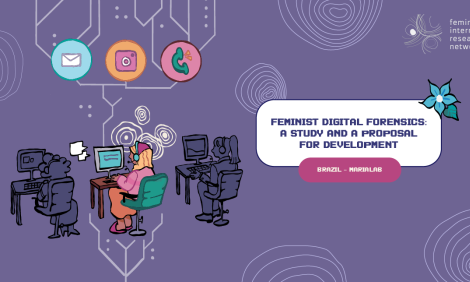
This article by MariaLab reflects on the redefinition of technology and science as cultural carrier bags instead of weapons of domination. Throughout their research, they seek to challenge the traditional dichotomies of subject and object and conventional notions of scientific rigour when working to establish more horizontal and collaborative research relationships.


Feminist talk
Black women, gender non-conforming persons and technology-facilitated gender-based violence: A decolonial feminist exploration
By Aphiwe
The research team from the University of Cape Town (UCT) discuss their use of decolonial feminism in their contribution to feminist politics of knowledge building and centering of participants’ voices in the research and knowledge co-creation with the participants in their research project.


Feminist talk
Reflecting on feminist research: From a shared experience to collaborative learning
By Martha Tadesse
In researching the multiple ways violence against LGBTQIA+ take place in Ethiopia, Martha and S.A. reflected how the broader social, cultural and political environment influence the process and how they work together collaboratively based on shared values and ethics despite the differences in terms of perspective, approaches and emotional response.

Feminist talk
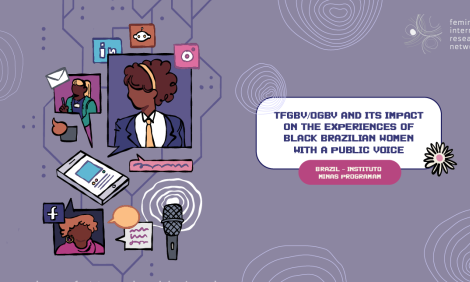
“What happens after you publish this research?”: How feminist research invites us to centre liberation, connection and care in our practice
By Bárbara Paes
Researching on the experiences of Black Brazillian women with TFGBV, the authors share their reflection on research methodology, their relationship with participants, the (imperfect) measures they implemented to navigate power dynamics embedded within the research process and recognition of research participants as the key contributors to this work.